
Practical cleaning guide
Move-In Cleaning Checklist for a Fresh Start in New Jersey
Clean an empty New Jersey home before unpacking with a move-in checklist for kitchens, bathrooms, cabinets, closets, and floors. Clean while rooms are empty, starting with cabinets, closets, bathrooms, and kitchens before finishing the floors.
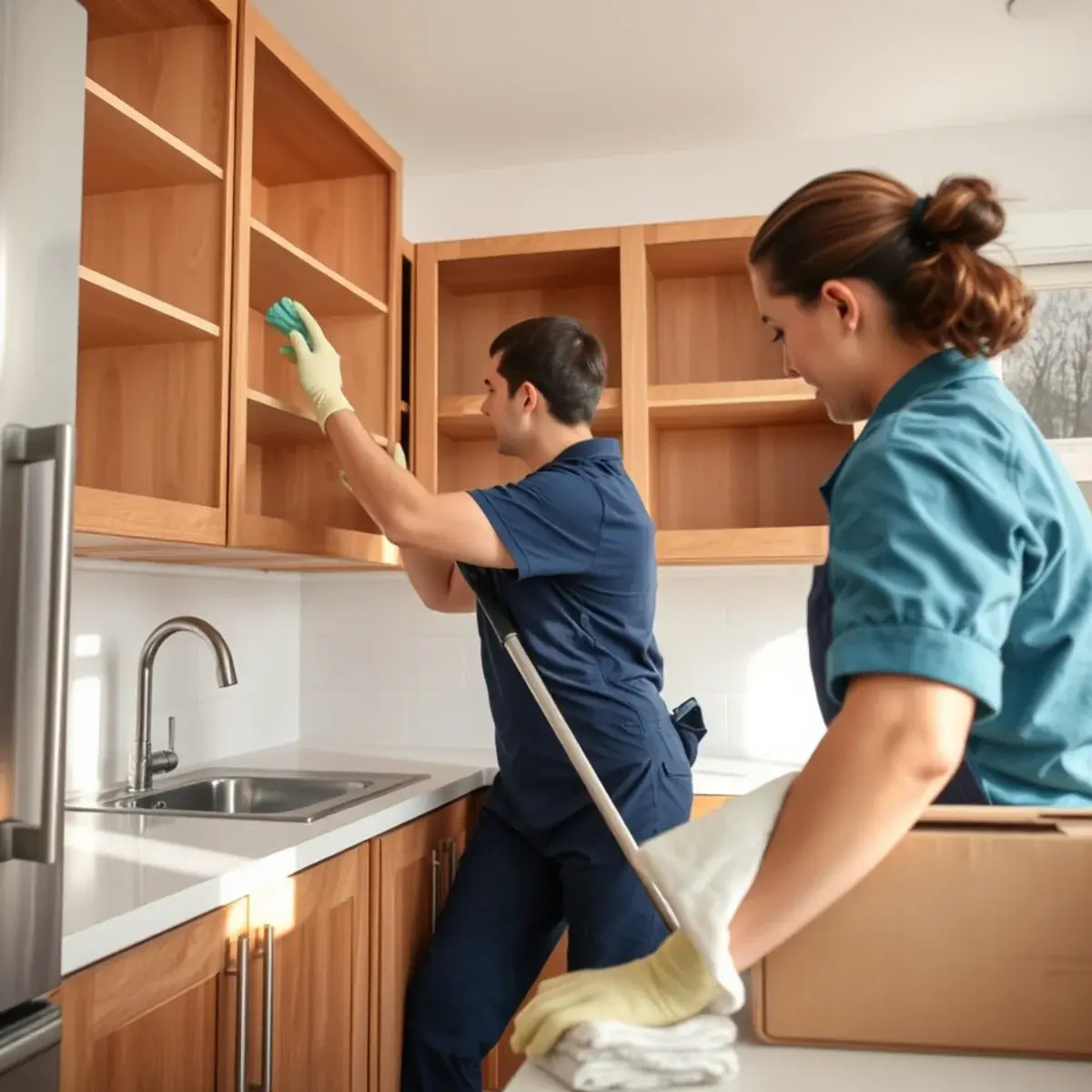
The best time to clean a new home is after repairs are complete and before the first box crosses the door. Empty cabinets, closets, and floors are accessible, and the work will not compete with movers or unpacking.
A move-in clean is not about judging the previous occupant. It is about creating a known baseline so your household can unpack into rooms that already feel ready.
Schedule the clean at the right point
Painting, flooring, repairs, and deliveries should finish first because they can release dust or leave packaging. Cleaners should follow, with movers scheduled afterward whenever the closing and access window allow.
Confirm utilities, keys, parking, alarm instructions, elevator reservations, and the exact time possession begins. A clean cannot proceed efficiently without water, electricity, and reliable access.
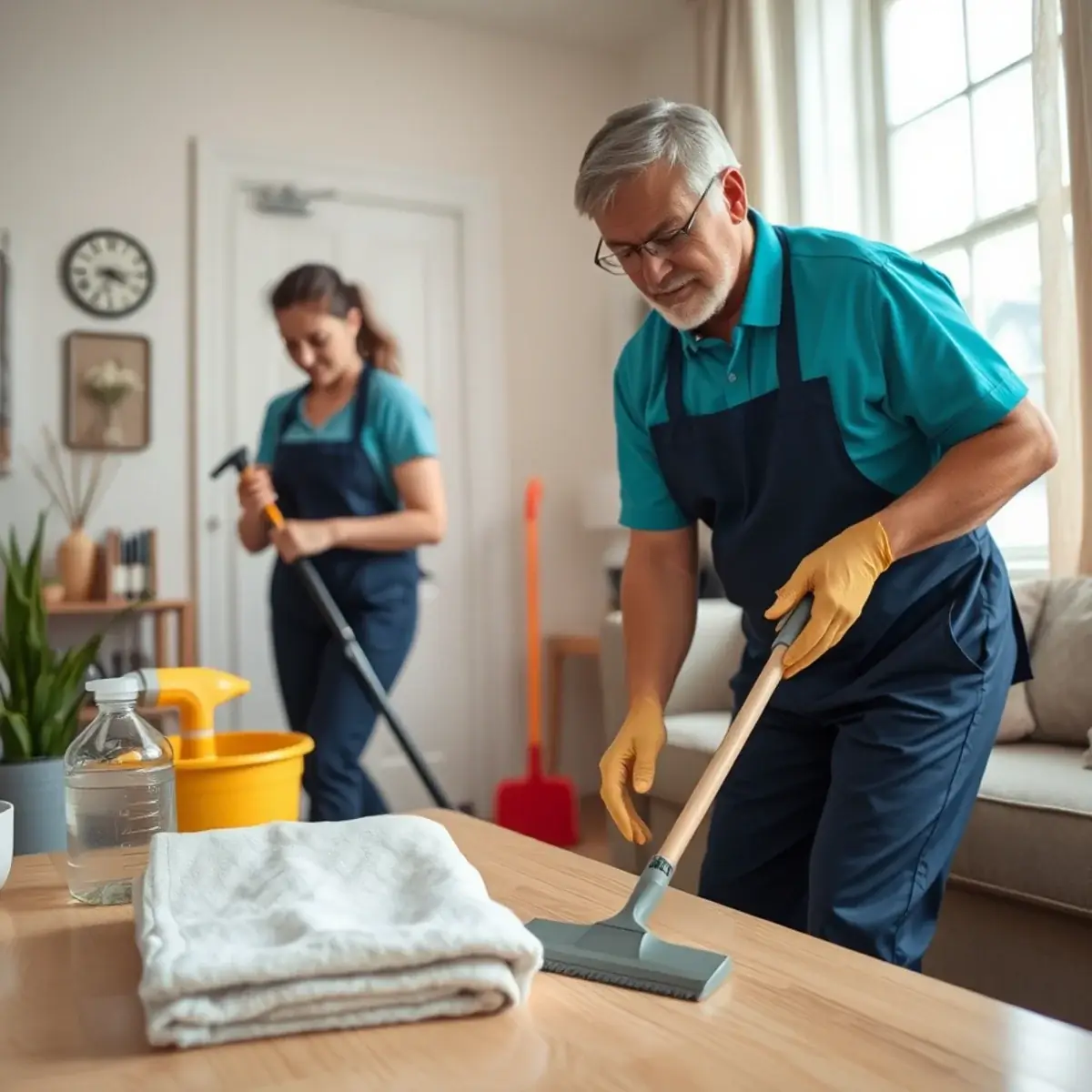
Start with the kitchen
Wipe empty cabinet and drawer interiors when included, then handle fronts, counters, backsplash, sink, faucet, appliance exteriors, and floors. Refrigerator and oven interiors should be cool, empty, and requested in advance.
Look for crumbs, shelf residue, grease near the range, and dust on cabinet tops or ledges. Note damage separately so it is not mistaken for cleanable soil.
- Empty storage interiors
- Counters and backsplash
- Sink and faucet edges
- Appliance exteriors and requested interiors
- Baseboards and floors
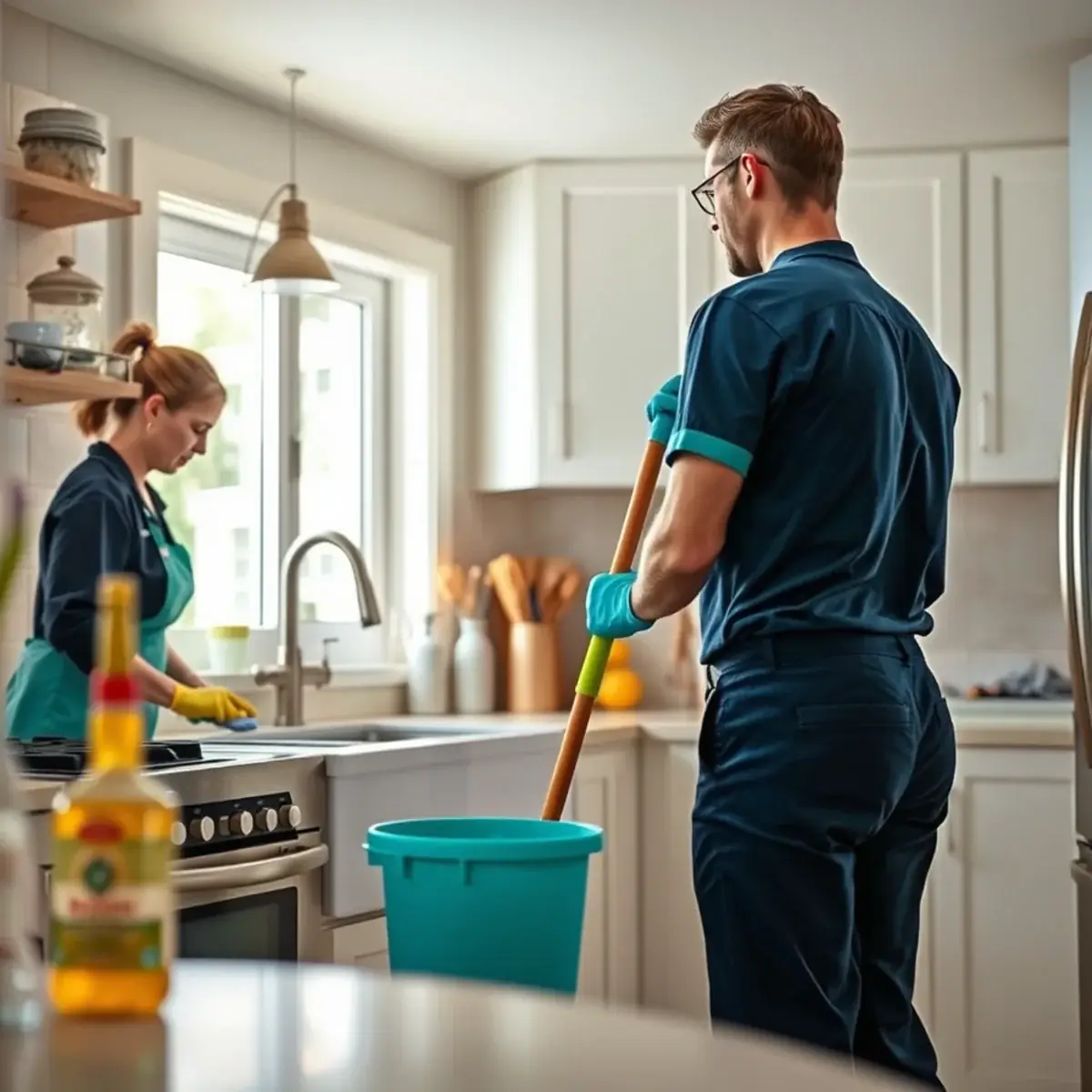
Prepare bathrooms before personal items arrive
Clean the tub or shower, toilet, vanity, sink, mirror, fixtures, reachable storage, and floor. Check ventilation, leaks, loose fixtures, and damaged caulk as maintenance issues rather than cleaning tasks.
Once the room is complete, place new liners, paper products, and personal items. Keeping them out during cleaning makes every surface easier to reach.
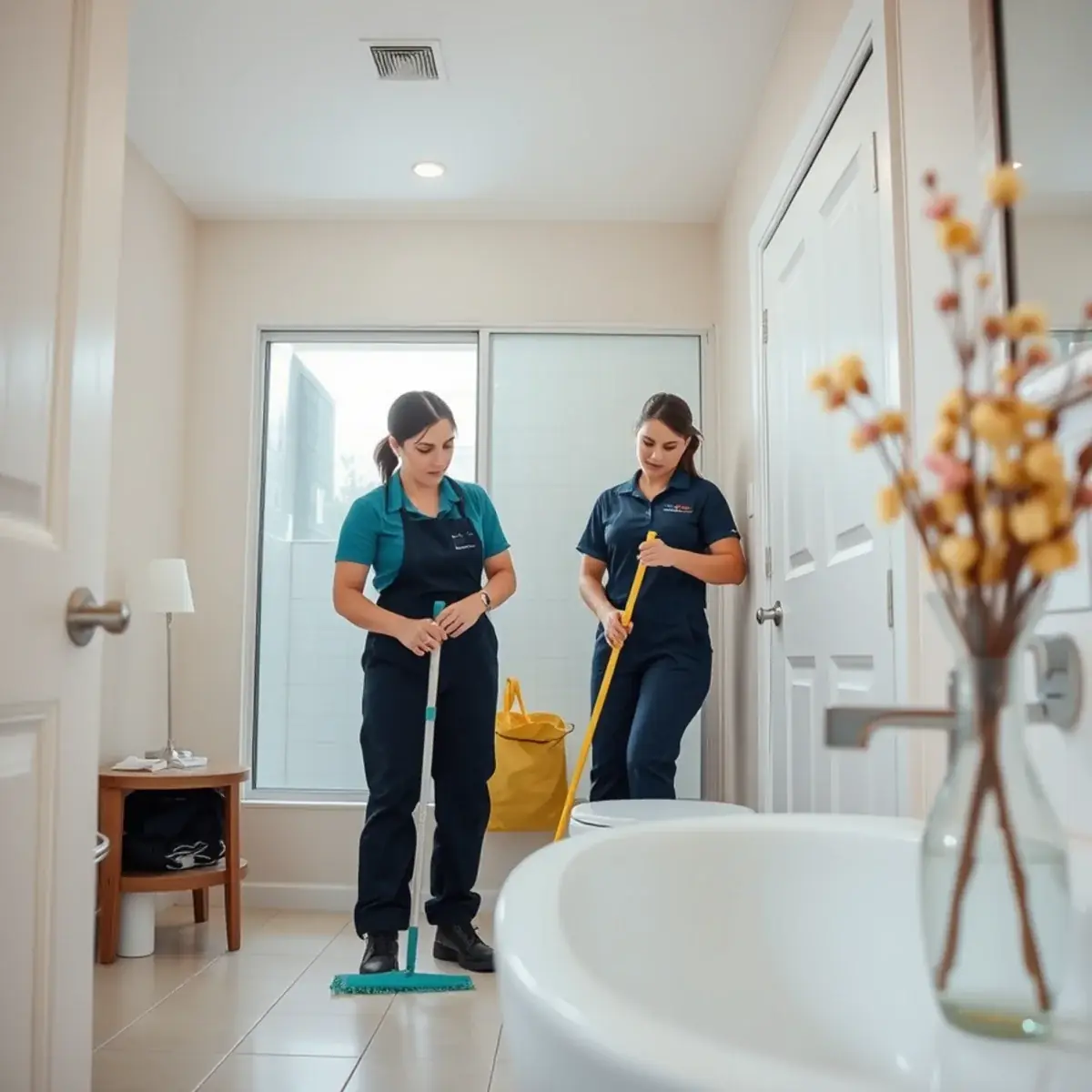
Finish closets, bedrooms, and common areas
Dust shelves, ledges, trim, doors, and reachable fixtures before vacuuming or mopping. Empty closets deserve attention because they may not be fully accessible again for years.
After the clean, inspect rooms in daylight and keep movers to a clear path. Protective floor runners can reduce new soil during unloading without covering the entire home.
Use a priority route when cleaning and moving share one day
If the schedule does not provide a fully empty cleaning window, protect the rooms that must function first. Start with one bathroom, the kitchen food-contact and storage areas, and the bedroom or sleeping area needed that night. Complete empty closets and cabinet interiors before boxes occupy them, then finish traffic floors after the largest deliveries have passed.
Give movers a defined staging zone and route so boxes do not spread into unfinished rooms. Keep cleaning products, open cabinets, wet floors, children, and pets out of the moving path. This is a compromise plan: overlapping work reduces access, so the estimate and expected result should reflect the actual window.
- First usable bathroom
- Kitchen counters, sink, and empty food-storage areas
- Primary sleeping space and empty closets
- Final traffic-floor pass after the largest deliveries
Document condition before treating a surface
Walk the empty home in daylight and photograph chips, worn finishes, stains, loose fixtures, leaks, damaged caulk, pest evidence, odors, and appliance problems before cleaning. Identify floor, counter, cabinet, and fixture materials when possible, and avoid experimenting with strong products on an unknown finish.
Cleaning addresses ordinary soil; it does not repair water damage, correct ventilation, remove an active infestation, restore etched or worn material, or make unsafe conditions suitable for occupancy. Visible mold, sewage, biohazards, heavy construction dust, or pest contamination should be disclosed and assessed before an ordinary move-in clean begins.
Put this guide into a realistic household plan
Begin by turning the advice above into three short lists: tasks that must happen every visit, details that can rotate, and projects that need extra time or advance discussion. That separation keeps a useful guide from becoming an impossible one-day checklist. Walk through the home in daylight, note the rooms that affect everyday comfort most, and decide what a finished result should look like. The practical value of move-in cleaning checklist NJ comes from matching the work to the home’s current condition, not from completing the greatest possible number of boxes.
If you plan to do the work yourself, gather only products and tools appropriate for the materials in your home, read every label, and avoid mixing cleaners. Work from high, dry surfaces toward wet rooms and floors so completed areas stay finished. Break a large project into zones when fatigue would otherwise lead to rushed technique or missed details. Delicate finishes, damage, mold, pests, biohazards, elevated exterior work, and repair issues need the right qualified help rather than a more aggressive cleaning product.
If you prefer professional support, share this article’s main goal when you request an estimate, then add the property size, layout, bathroom count, access instructions, pets, timing, and your three highest priorities. Ask which details are included and which need to be scheduled separately. A clear scope helps you compare the right service, protects the time reserved for your home, and makes the final result easier to review. It also gives the cleaning team useful context without asking them to guess what matters to your household.
Related New Jersey cleaning help
If you would rather hand the work to a local team, explore move-in cleaning, move-out cleaning, deep house cleaning. Local service pages for house cleaning in Princeton and house cleaning in Fort Lee provide additional access and housing context.
Final takeaway
Treat move-in cleaning as part of the move schedule, not an afterthought. Once the empty home is cleaned, unpacking becomes faster, calmer, and less likely to hide someone else’s residue behind your belongings.
Questions from this guide
Can move-in cleaning happen before closing?
Only with authorized access and a confirmed schedule. Do not assume the property is available before possession transfers.
Should painters work before or after the cleaners?
Before. Painting and repairs create dust, drips, and packaging that should be finished ahead of the final clean.
What if furniture is already inside?
Cleaning is still possible, but access will be reduced. Share the condition and furniture placement when requesting the estimate.
Is move-in cleaning the same as move-out cleaning?
Both benefit from an empty property, but the goals differ. Move-in cleaning creates a known baseline before belongings arrive; move-out cleaning supports a documented handoff. Cabinet, appliance, closet, wall, or window details must still be confirmed for either scope.
What should be cleaned first if movers arrive the same day?
Prioritize one bathroom, kitchen food-contact and storage areas, the main sleeping space, and any empty storage that will become blocked. Keep a defined moving path and plan the final traffic-floor cleaning after large deliveries.
Prefer to talk through your cleaning needs?
Describe the home, condition, timing, and priorities. We’ll help you choose a realistic scope.
Call +1 877-754-5614